

Matcha Improves Sleep and Cognitive Functions - Latest Research Study
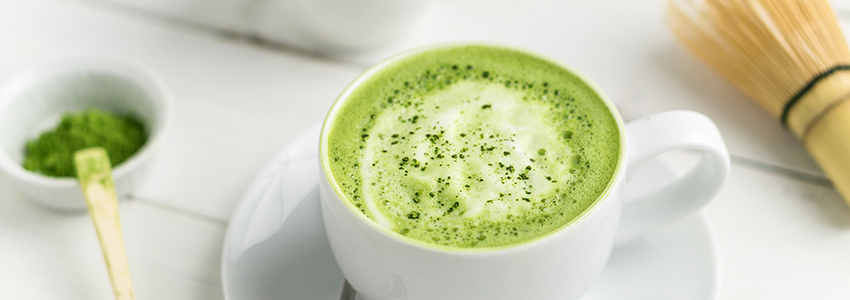
In the world’s first clinical study comprehensively analyzing the effects of the long-term intake of matcha confirmed that the daily intake of Matcha helps improve sleep quality and social cognitive functions.
ITO EN, Ltd. (Headquartered in Shibuya-ku, Tokyo) and MCBI Inc. (Headquartered in Tsukuba City, Ibaraki), a venture corporation established by the University of Tsukuba, jointly conducted a clinical trial to assess matcha’s inhibitory effects on the decline of cognitive function in the older adults with mild cognitive impairment (MCI), the pre-stage of dementia, or subjective cognitive decline (SCD). Researchers found that the daily intake of matcha was associated with an improvement in sleep quality and social cognitive function. The joint research team published the results of their research at the Alzheimer’s Association International Conference (AAIC)* held in San Diego, California, USA on Tuesday, August 2, 2022.
The study examined elderly people diagnosed with mild cognitive impairment and subjective cognitive decline, or self-reported memory loss. Both are early warning signs of dementia.
One group took 2-gram capsules of matcha daily for a year. That is the equivalent of a cup of matcha tea. Another group was given a placebo.
Results showed the adults in the test group reported improved sleep quality scores. The test group also exhibited better social recognition. The study concluded that Matcha consumption can improve emotion perception and attention, and sleep quality in elderly adults with cognitive decline.
What is Matcha and How is it Different from Other Teas?
Matcha is full of antioxidants called catechins and polyphenols that are also present in regular green tea. A key player is a compound called epigallocatechin gallate or EGCG. So why matcha over green tea? Matcha can have up to 3 times more EGCG than regular green tea, so evidently it packs quite the punch.
Polyphenols like the catechin EGCG (epigallocatechin gallate) found in matcha are thought to confer anti-inflammatory, antioxidant, and metabolic benefits. These unique polyphenol antioxidants are also required for a wide range for our functional nutrition needs.
Matcha is made from the same plant as black and white tea. The differences lie in the way the plant is grown and processed. In the last 20 weeks before harvest, the matcha plants are covered and grown in the shade. This boosts their chlorophyll levels and turns the leaves that signature green color that we’re all familiar with.
New to Matcha? Lifetime Tea Recommends

Our highest grade matcha. Matcha Reserve is only available in a 30g tin and should be used ceremonial style. Bright green color with an ultra smooth taste.

This top-of-the-line USDA organic certified product is ideal for high-end food and beverage products although it is best served ceremonial style. Smooth taste.
This unique flavor makes our Baker's Blend Matcha ideal for baking, using in shakes and smoothies and other blended beverages.

Contains Blueberry Matcha, Organic Raspberry Matcha, Organic Vanilla Matcha, Matcha Latte and Organic Coconut Matcha
From here, the leaves are dried as usual but instead of being packed into tea bags or cut up into loose leaf tea, the whole leaves are ground into a fine powder. Unlike other teas, where the leaves are strained out, here the powder is simply whisked in with hot water.
What Makes Lifetime Tea Matcha Better?
At Lifetime Tea, we are proud to offer an extensive array of matcha grades to best fit the needs of our customers. We offer everything from ceremonial matcha to cost-effective flavored matcha to help your matcha and health needs every step of the way.
To explore our Matcha collection, please visit: https://www.lifetimetea.com/matcha.html
Lifetime Tea also offers our range of Matcha for Private Labeling. Please visit https://www.lifetimetea.com/private-label to know more about working with us.
References:
- Announcement of study presented at conference:
https://www.itoen-global.com/news/pdf/2022/20220803.pdf - Weinreb, Orly, Silvia Mandel, Tamar Amit, and Moussa BH Youdim. “Neurological mechanisms of green tea polyphenols in Alzheimer’s and Parkinson’s diseases.” The Journal of nutritional biochemistry 15, no. 9 (2004): 506-516.


