

Valerian Root


*For retail orders only. See our return policy for more details.
Valerian is a flowering perennial distributed throughout Europe, the Americas and northern Asia. The herb is also known as garden heliotrope today, but has many common names of antiquity. Herbalists of the 15th and 16th century referred to the plant as Setewale, Amantilla, Capon's Tail and Phu, the latter bestowed by Galen in reference to the odorous root.
Valerian root has the interesting distinction of smelling like ripe cheese when freshly dug from the ground, a characteristic that is fortunately downplayed in the dried material.
Valerian has been famed since antiquity, especially as a sedative and relaxant. Used for a variety of ailments in both humans and horses, including sleeping disorders and anxiety. Other actions described in the herbal literature include antibiotic, expectorant, bitter, and carminative. Valerian's analgesic effects are said to be most helpful where pain is related to tension.
Use it to create a sleep-inducing herbal blend or simply brew it solo (as a tisane infusion) to be sipped at the end of the day and get ready for some peace and quiet. Yawwwwn.
Appearance, aroma and taste profile: Woody and rough, with an odor similar to dirty socks. Beyond tea, valerian root is not used in cooking.
Botanical Name: Valeriana officinalis / Valeriana wallichii
Common Names: All-Heal, Phu, Amantilla, Setwall, Garden Heliotrope, Capon's Tail, Blessed herb, Vandal Root, Wild Valerian, German Valerian, English Valerian
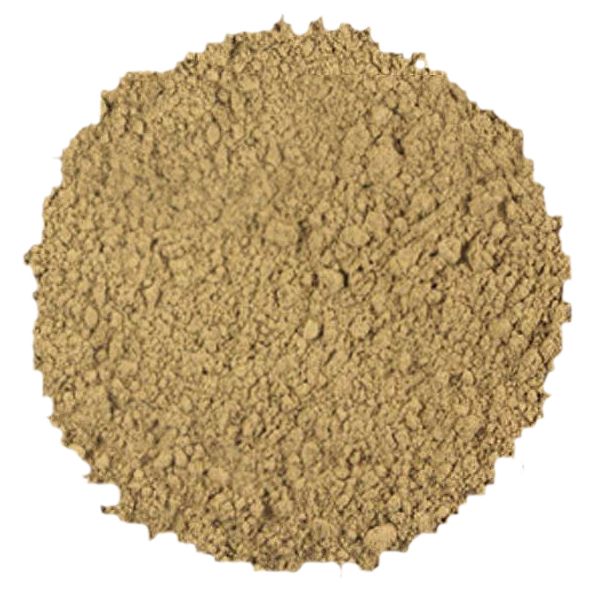
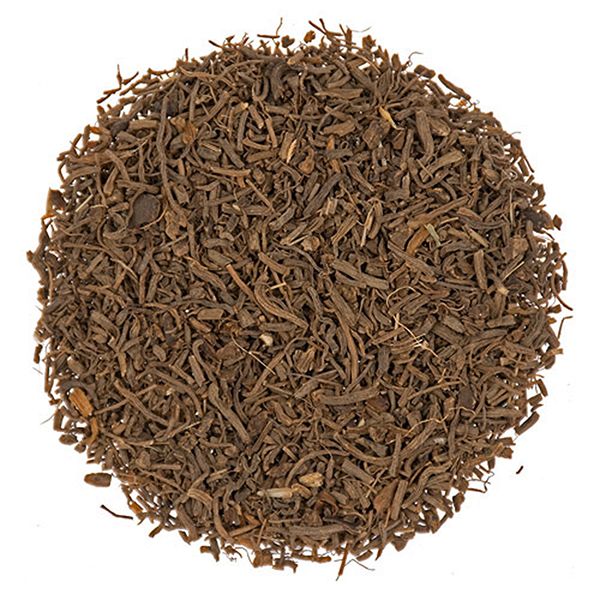
| Form Factor | Cut Sifted, Powder |
|---|---|
| Botanical Name | Valeriana officinalis / Valeriana wallichii |
| Common Names | All-Heal, Phu, Amantilla, Setwall, Garden Heliotrope, Capon's Tail, Blessed herb, Vandal Root, Wild Valerian, German Valerian, English Valerian |
| Appearance, Aroma and Taste Profile | Woody and rough, with an odor similar to dirty socks. Beyond tea, valerian root is not used in cooking. |


Log In
Create New Account