

Uva Ursi Leaf



*For retail orders only. See our return policy for more details.
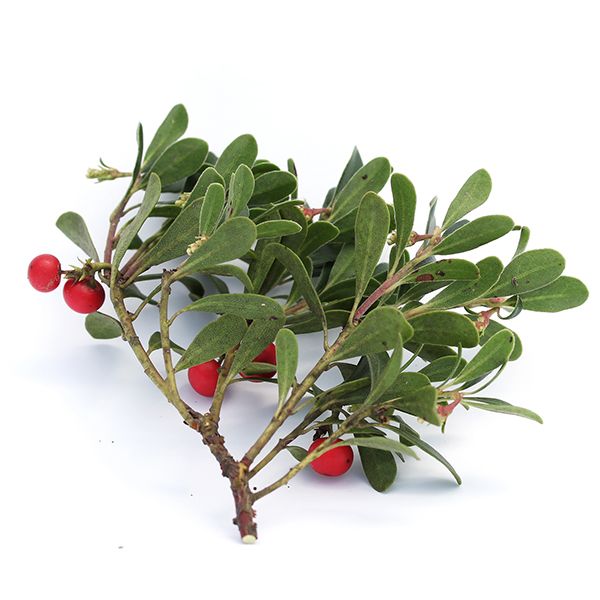
Uva Ursi is an evergreen, trailing plant that survives where many plants don’t, including the alpine forests of the Himalayas, Siberia, northern Europe and North America.
Also known as common bearberry because bears eat the plant’s red berries, Uva Ursi has a long history of use by Native Americans. Native Americans ate the berries; smoked the leaves; and used the leaves in medicinal teas, as an eyewash, hair wash, and mouthwash, and especially for bladder and kidney issues. The leaves, which contain astringent tannins, arbutin and hydroquinone, are traditionally used to make poultices, salves and other topical preparations.
Bearberry is well established as an herbal treatment for urinary tract infections and inflammations: cystitis, urethritis, mild nephritis, bedwetting, and prostatitis. It is widely known as a urinary antiseptic, antibacterial, astringent, anti-inflammatory, diuretic, tonic, oxytocic, hemostatic, astringent, and demulcent herb.
Appearance, aroma and taste profile: Oval leaves, without remarkable aroma. Bitter in flavor. Combine with green tea or black tea and perhaps other herbs when preparing as tea.
Botanical Name: Arctostaphylos uva ursi
Common Names: Bearberry, Hog cranberry, Kinnikinnick, Mountain Cranberry, Red bearberry, upland cranberry, wild cranberry, bear's grape
| Form Factor | Cut Sifted, Powder |
|---|---|
| Botanical Name | Arctostaphylos uva ursi |
| Common Names | Bearberry, Hog cranberry, Kinnikinnick, Mountain Cranberry, Red bearberry, upland cranberry, wild cranberry, bear's grape |
| Appearance, Aroma and Taste Profile | Oval leaves, without remarkable aroma. Bitter in flavor. Combine with green tea or black tea and perhaps other herbs when preparing as tea. |


Log In
Create New Account