

Shatavari Root

*For retail orders only. See our return policy for more details.
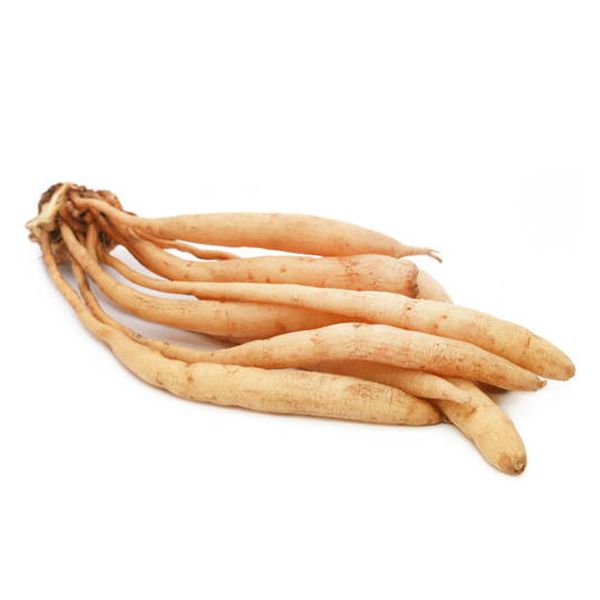
The Shatavari root comes from a plant known in Latin as Asparagus racemosus. Shatavari grows wild in some higher altitude areas of the Indian subcontinent, and is cultivated in China and Africa as well as India, Nepal, and Sri Lanka.
Shatavari owes most of its benefits to a group of compounds called steroidal saponins and flavonoids. It’s most well known for helping balance hormone levels in women, possibly by protecting the ovaries against free radicals. That apart, it protects the stomach lining from corrosive stomach acids and helps increase absorption of nutrients in the small intestine by slowing down the passage of food. It also raises the total number of immune cells, increasing the killer cells like T cells, natural killer cells, and neutrophils.
Shatavari holds great value in the ayurvedic universe because of its versatile reach in the body, owing most of its benefits to a group of compounds called steroidal saponins. The roots of the plant store most of these chemicals and are, hence, the most health-promoting part of the plant.
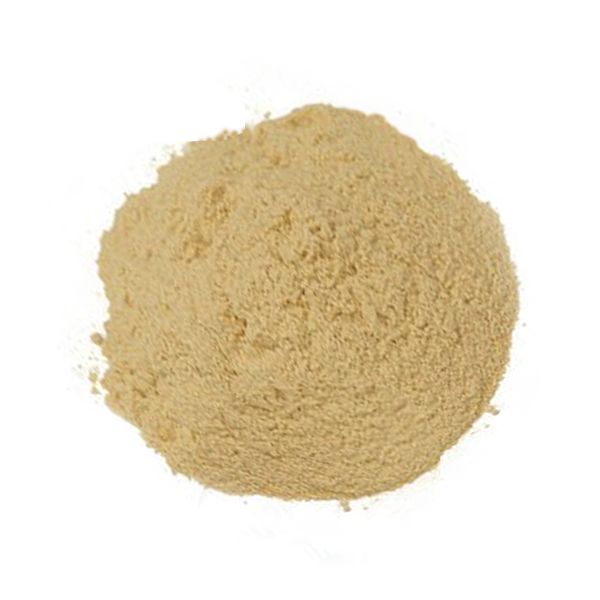
Appearance, aroma and taste profile: The taste of shatavari (powder) is both sweet and slightly bitter. If you don’t enjoy the flavor, mix your powder with milk or juice. You can also blend it into a smoothie.
Botanical Name: Asparagus racemosus
Common Names: Wild Asparagus, Hundred Roots, Buttermilk Root, Sparrow Grass
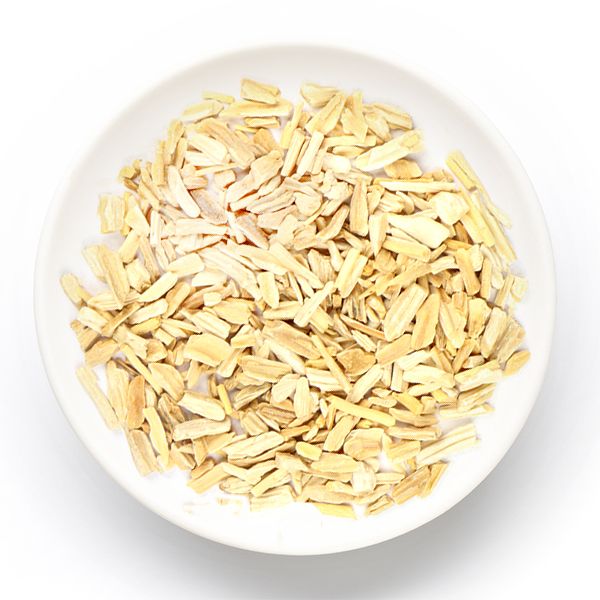
| Form Factor | Cut Sifted, Powder |
|---|---|
| Botanical Name | Asparagus racemosus |
| Common Names | Wild Asparagus, Hundred Roots, Buttermilk Root, Sparrow Grass |
| Appearance, Aroma and Taste Profile | The taste of shatavari (powder) is both sweet and slightly bitter. If you don’t enjoy the flavor, mix your powder with milk or juice. You can also blend it into a smoothie. |


Log In
Create New Account