

Rosemary

*For retail orders only. See our return policy for more details.
Rosemary is a member of the mint family indigenous to Asia and the Mediterranean region, although it is also hardy when cultivated in cooler climates. Because the Virgin Mary reputedly draped her blue cloak upon a rosemary bush, causing its white flowers to turn blue, the evergreen plant is also known as Rose of Mary.
In cooking, Rosemary Leaf is a staple of French and Mediterranean cuisine; it mates well with a wide range of foods from chicken and cheese to tomatoes and cabbage. Rosemary Leaf Powder can also be used as a table condiment. Rosemary Leaf is high in essential nutrients, such as iron, calcium and Vitamin B-6 as well as several anti-oxidant compounds.
The herb has been hailed since ancient times for its medicinal properties. Rosemary was traditionally used to help alleviate muscle pain, improve memory, boost the immune and circulatory system, helps maintain gut health, fight gut diseases like irritable bowel syndrome, and promote hair growth.
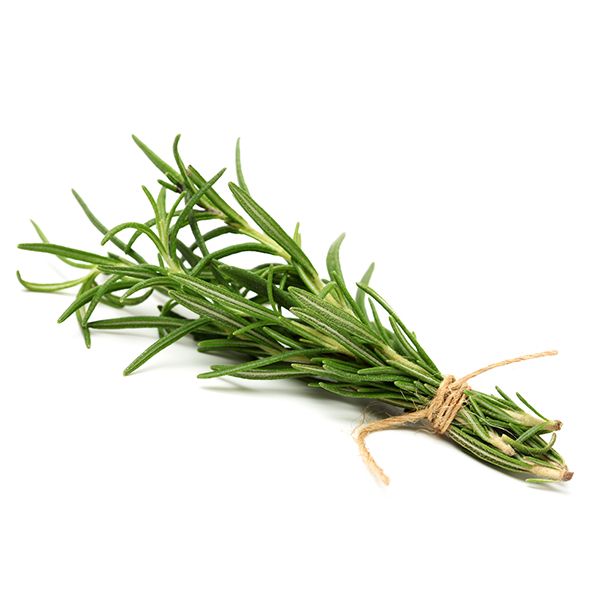
The needle-like leaves of rosemary are an excellent addition to herbal teas and seasoning blends. The dried herb also lends its aromatic qualities to incense and potpourri blends. Rosemary adds earthy goodness to soups, stews, breads and roasted meats and vegetables.
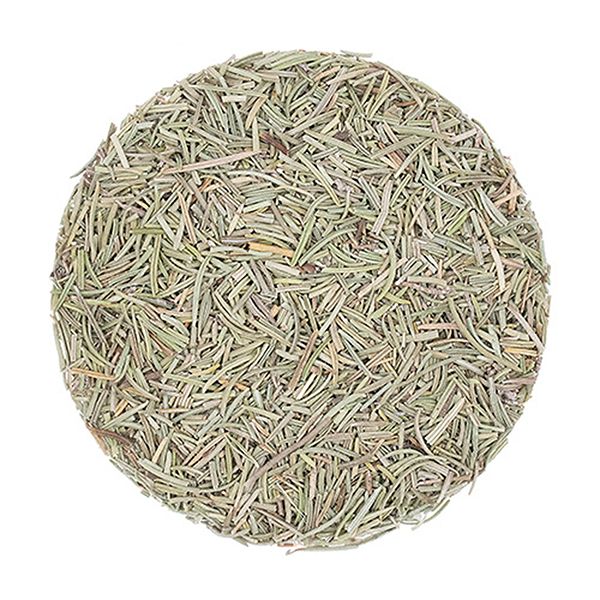
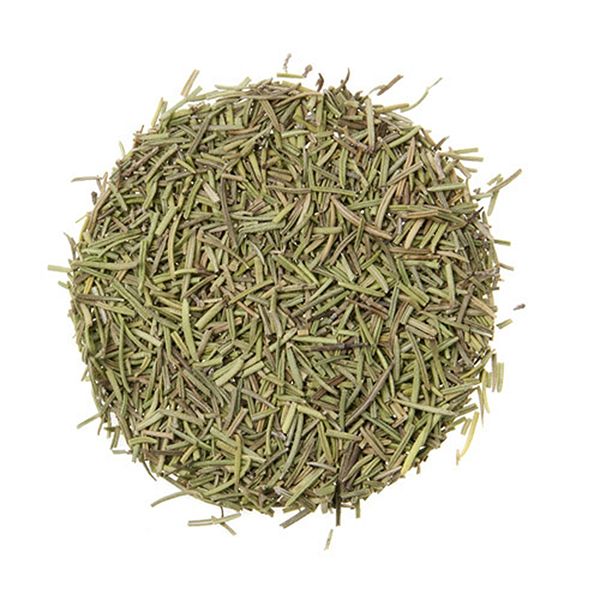
Appearance, aroma and taste profile: Needle-like and highly fragrant. Imparts an astringent but pleasant flavor to a variety of foods.
Botanical Name: Rosmarinus officinalis
Common Names: Rosemary, Rose of Mary
| Form Factor | Cut Sifted, Powder, Whole |
|---|---|
| Botanical Name | Rosmarinus officinalis |
| Common Names | Rosemary, Rose of Mary |
| Appearance, Aroma and Taste Profile | Needle-like and highly fragrant. Imparts an astringent but pleasant flavor to a variety of foods. |


Log In
Create New Account