

Raspberry Leaf



*For retail orders only. See our return policy for more details.
American Raspberry (Rubus strigosus or Rubus idaeus var. strigosus) is believed by some taxonomists to be the same species. Ancient Chinese, Ayurvedic, Greek, and Roman doctors valued it for helping to heal wounds, burns, and ulcers; treating diarrhea; and curbing heavy menstrual bleeding. Today it is best known as an herb recommended by many midwives for pregnant women, especially during the later phases of pregnancy. It is said to have a paradoxical action of both toning and relaxing the muscles of the uterus, due to the presence of fragrine, an alkaloid; to relieve morning sickness, prevent miscarriage, and reduce postpartum bleeding and after pains; to increase the flow of breast milk; and to increase fertility in both men and women.
Raspberry leaves are rich in vitamin C and antioxidants. The leaf, however, is also nutritious as a good source of B vitamins and minerals, including iron, magnesium, potassium and calcium.
Raspberry leaf is traditionally used in tea blends, or tinctured in apple cider vinegar. Some users enjoy the flavor of Raspberry Leaf alone, comparing it to green tea; others suggest blending it with other herbs for flavor, such as Spearmint or Rose Hips.
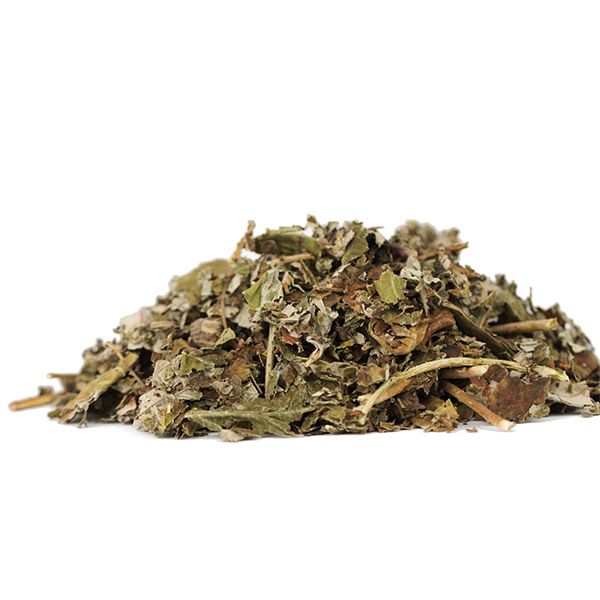
Appearance, aroma and taste profile: Leafy and herbaceous with a fresh scent. Pleasant tasting, similar to black tea. Goes well with mint, lavender, hyssop, chamomile and dried lemon or orange peel.
Botanical Name: Rubus idaeus
Common Names: Hindberry, wild red raspberry, reapberry, red raspberry, Garden Raspberry, European Raspberry, Framboise
| Form Factor | Cut Sifted, Powder |
|---|---|
| Botanical Name | Rubus idaeus |
| Common Names | Hindberry, wild red raspberry, reapberry, red raspberry, Garden Raspberry, European Raspberry, Framboise |
| Appearance, Aroma and Taste Profile | Leafy and herbaceous with a fresh scent. Pleasant tasting, similar to black tea. Goes well with mint, lavender, hyssop, chamomile and dried lemon or orange peel. |


Log In
Create New Account