

Nettle Leaf


*For retail orders only. See our return policy for more details.
Nettle thrives in woodlands and shady areas throughout Europe and eastern North America. It is also called stinging nettle because the leaves are lined with stinging hairs that inject histamine into the skin when handled or brushed against. Even though it seems odd that a plant that can cause an allergic reaction is used for people who have allergies, it is found that "like cures like" in the herbal world. The herb is highly nutritious and it’s medicinal use can be traced back to the ancient world. Traditionally used for ailments ranging from arthritis and anemia to hay fever and high blood pressure.
Nettle leaf is a culinary delight. Fresh spring, baby Nettle leaves are often used in cooking. They can be steamed, or added to soups and stews fresh. Nettle leaf is actually higher in calcium content than an equal portion of broccoli! Its high mineral content adds to its herbal wellness uses also.
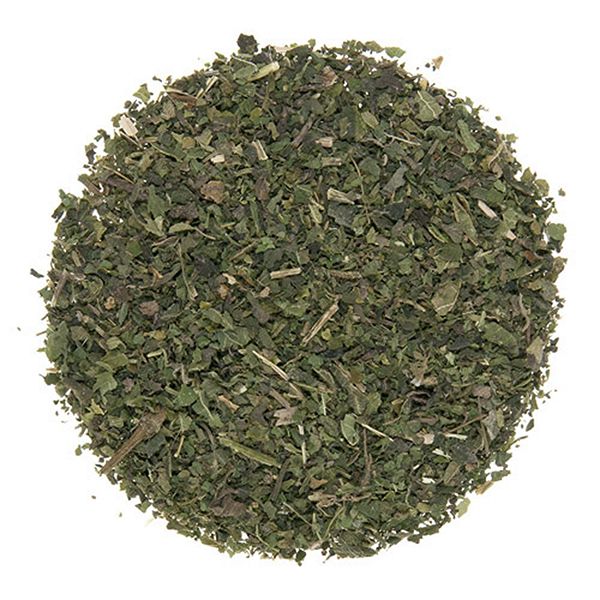
Cut and sifted Nettle leaf is commonly used in herbal tea blends. We love Nettle leaf in tea for its rich, hearty, full-bodied flavor. It adds a mellow, somewhat green note that is not overpowering.
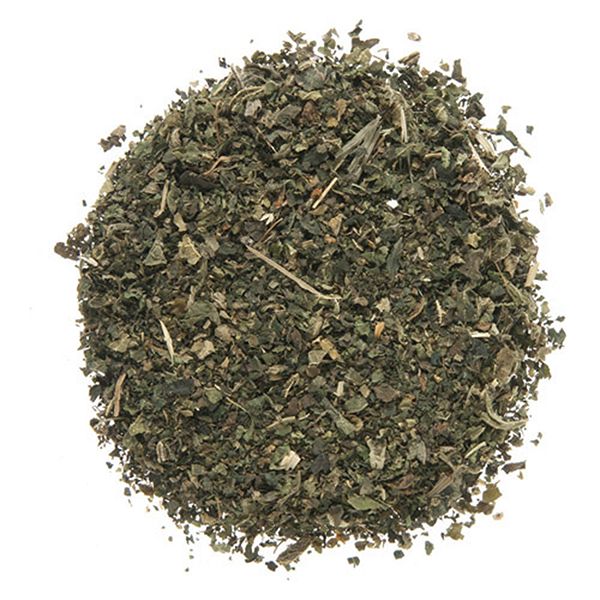
Appearance, aroma and taste profile: Verdant green leaf pieces. The Nettle flavor is similar to spinach.
Botanical Name: Urtica dioica
Common Names: Stinging nettle, common nettle, greater nettle, Hens Nettle, Devils Leaf, Burn Hazel
| Form Factor | Cut Sifted, Powder |
|---|---|
| Botanical Name | Urtica dioica |
| Common Names | Stinging nettle, common nettle, greater nettle, Hens Nettle, Devils Leaf, Burn Hazel |
| Appearance, Aroma and Taste Profile | Verdant green leaf pieces. The Nettle flavor is similar to spinach. |


Log In
Create New Account