

Lemon Myrtle


*For retail orders only. See our return policy for more details.
The Lemon Myrtle Tree (Backhousia citriodora) was prized by the Australian Aborigines for its healing properties and for use in cooking. The leaves and oil have a distinct refreshing lemon scent from the citral terpenes in its essential oil.
Lemon Myrtle has been found to contain the highest citral purity of all citral containing essential oils. The tree is native to Australia and grows wild and is cultivated for its leaf for tea and cooking, and for its valuable essential oil. Lemon Myrtle has been found to contain vitamins A and E and impressive amounts of the minerals calcium, magnesium, and zinc.It is also known for its anti-microbial, anti-inflammatory, anti-viral, and anti-oxidant properties.
Lemon myrtle has been known to be effective in easing the symptoms of : Sinus Problems, Sore Throats, Digestive Issues, Allergies, Acne, Depression, Oral Health, Headaches, Asthma, Arthritis, Cramps and Viral Infections.
Lemon Myrtle is useful for flavoring food and for making a relaxing cup of tea, add it to salads, stir fries, curries, pasta sauce, spice mixes, tea blends.
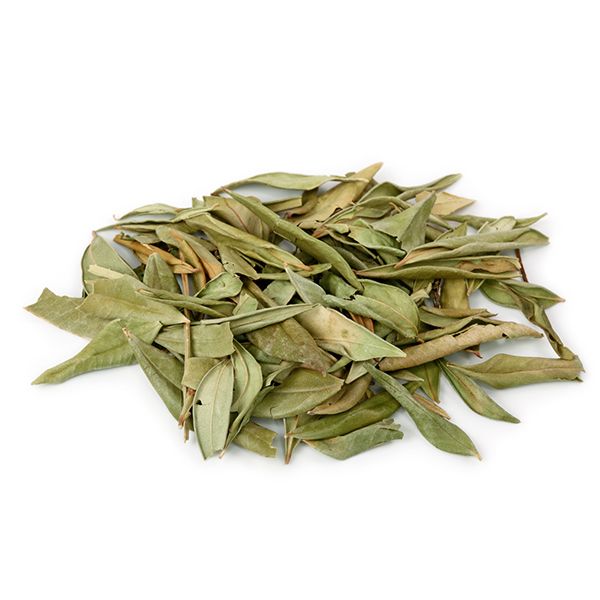
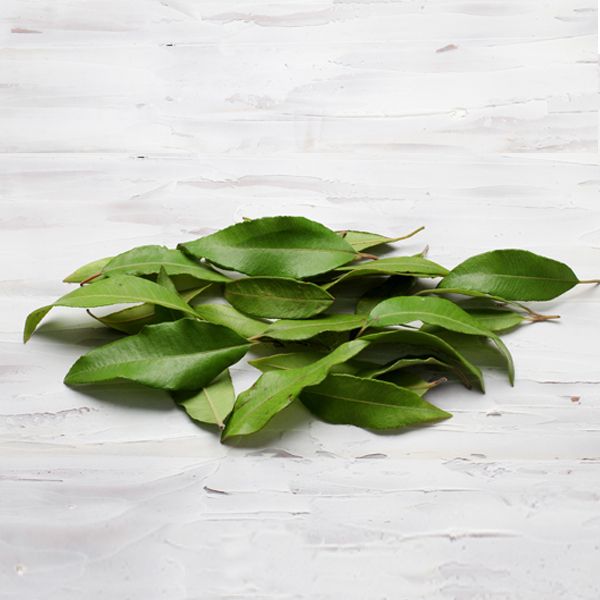
Appearance, aroma and taste profile: Green and leafy with a strong lemon scent. Described as ‘lemonier than lemon’, lemon myrtle has a sweet, yet spicy flavour with intense yet refreshing citrus notes.
Botanical Name: Backhousia citriodora
Common Names: Lemon myrtle, Sweet verbena myrtle, Lemon scented myrtle, Lemon Ironwood, Sweet verbena tree, Lemon scented verbena, Lemon scented Backhousia and Lemon scented ironwood
| Form Factor | Cut Sifted |
|---|---|
| Botanical Name | Backhousia citriodora |
| Common Names | Lemon myrtle, Sweet verbena myrtle, Lemon scented myrtle, Lemon Ironwood, Sweet verbena tree, Lemon scented verbena, Lemon scented Backhousia and Lemon scented ironwood |
| Appearance, Aroma and Taste Profile | Green and leafy with a strong lemon scent. Described as ‘lemonier than lemon’, lemon myrtle has a sweet, yet spicy flavour with intense yet refreshing citrus notes. |


Log In
Create New Account