

Lemon Balm

*For retail orders only. See our return policy for more details.
Lemon balm is a member of the mint family that grows abundantly in southern Europe, Central Asia and North Africa. It is also cultivated in kitchen herb gardens throughout North America.
Also known as sweet balm and Melissa, lemon balm has a long history of use in Europe as flavoring for wines, cordials and liquors. The herb is also widely known for lending its lemony fragrance to cosmetics and perfumes, including the 14th century floral water originally formulated by Carmelite nuns and still sold in European pharmacies today.
Lemon Balm has long been appreciated for its benefits to mood, sleep, and concentration, relieving anxiety, stress, grief, spasms, and pain. It is good for the digestive and cardiovascular systems, and is noted for its antimicrobial action, especially against viruses such as herpes simplex, shingles, and Epstein-Barr, as well as colds and flus. Research has confirmed the major traditional uses of Lemon Balm, including heart palpitations and anxiety, improving mental concentration and reducing stress and depression, and highlighted its value in other conditions such as aiding cognitive ability and lessening agitation in Alzheimers disease, enhancing womens' libido, inhibiting drug-resistant herpes virus, and fighting cancer cell proliferation.
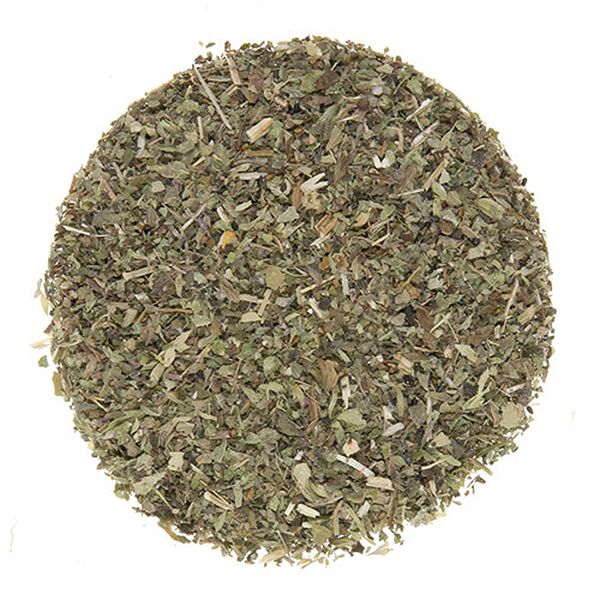
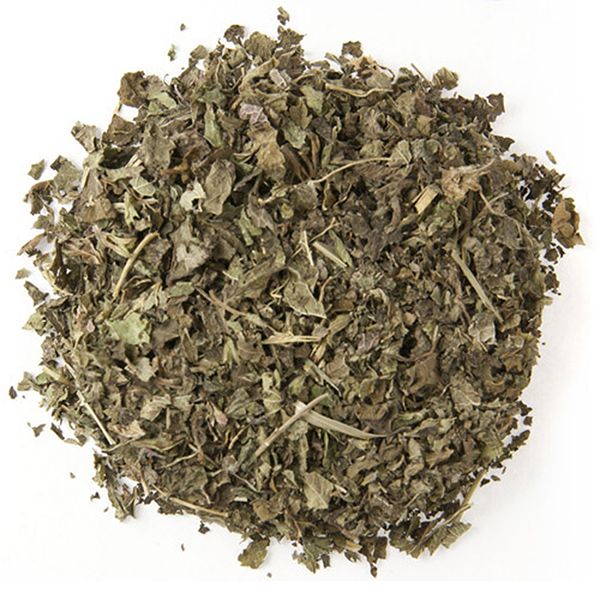
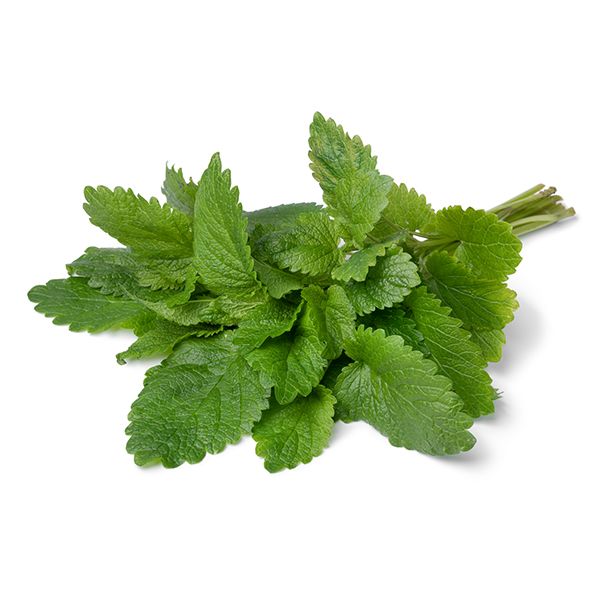
Appearance, aroma and taste profile: Green and leafy with a strong lemon scent. Has a potent lemon flavor and aroma.
Botanical Name: Melissa officinalis
Common Names: Melissa, Sweet Balm, Sweet Melissa, Balm mint, bee balm, blue balm, Cure All, Honey Plant, Dropsy Plant, Sweet Mary, Heart’s Delight
| Form Factor | Cut Sifted, Powder |
|---|---|
| Botanical Name | Melissa officinalis |
| Common Names | Melissa, Sweet Balm, Sweet Melissa, Balm mint, bee balm, blue balm, Cure All, Honey Plant, Dropsy Plant, Sweet Mary, Heart’s Delight |
| Appearance, Aroma and Taste Profile | Green and leafy with a strong lemon scent. Has a potent lemon flavor and aroma. |


Log In
Create New Account