

Hawthorn Leaf & Flower

*For retail orders only. See our return policy for more details.
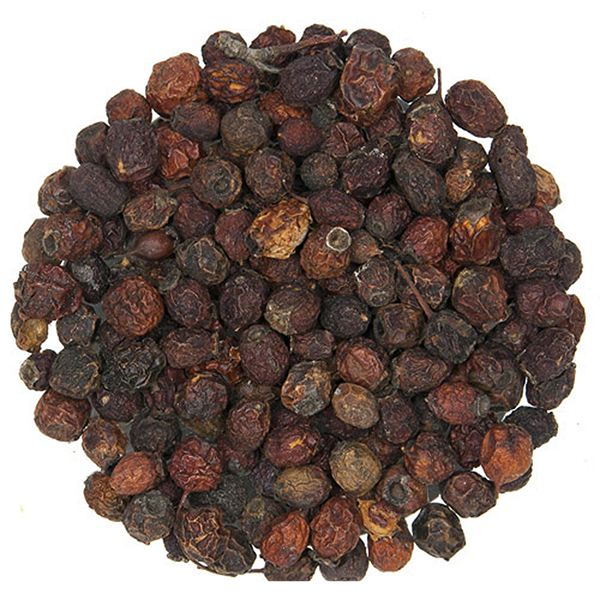
The Hawthorn Leaf and Flower, or Crataegus monogyna, is but one of many species of Hawthorn that grow throughout the Northern Hemisphere. Crataegus monogyna is distinguished from the other kinds of Hawthorn Leaf and Flower by the color of those flowers, which are pink and red. Hawthorn was well known to the early North American settlers, who learned how to use the leaf, flower and fruit of the small tree. In spring, the young leaves were harvested as vegetables and the flowers used to make beverages and tonics. In winter, the berries provided sustenance and nutrition when food was scarce.
Hawthorn leaf and flower contain potent antioxidant compounds called oligomeric procyandins, the concentration of which are typically standardized in dietary supplements marketed in North America. Hawthorn is used to help protect against heart disease, help control high blood pressure and high cholesterol, treat chest pain and irregular heartbeat. It is also used to reduce anxiety, as a sedative, to increase urine output, and for menstrual problems.
The herb may also be enjoyed prepared as a simple tea. However, if you have a known heart condition or take medications for high blood pressure or irregular heart rhythm, check with your doctor before using hawthorn because the herb may increase the effects of these drugs.
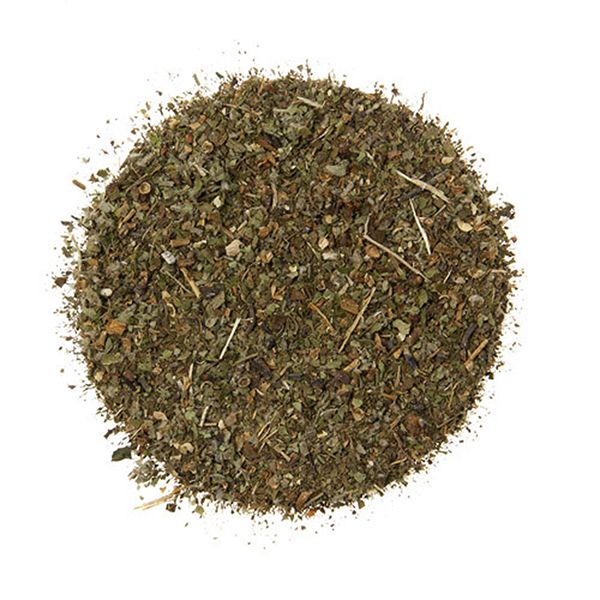
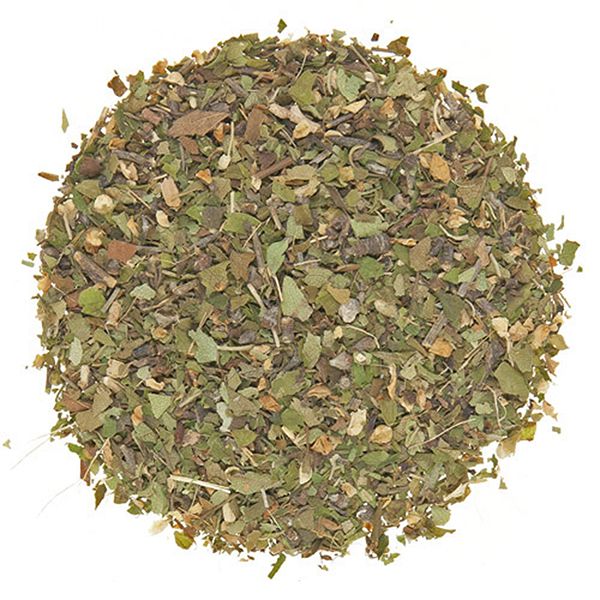
Appearance, aroma and taste profile: Leafy with gold and green flecks. Mild and pleasant tasting. Blend with other tea popular herbs, such as peppermint and chamomile.
Botanical Name: Crataegus monogyna
Common Names: May flower, quickthorn, whitehorn
| Form Factor | Cut Sifted, Whole |
|---|---|
| Botanical Name | Crataegus monogyna |
| Common Names | May flower, quickthorn, whitehorn |
| Appearance, Aroma and Taste Profile | Leafy with gold and green flecks. Mild and pleasant tasting. Blend with other tea popular herbs, such as peppermint and chamomile. |


Log In
Create New Account