

Fenugreek Seed

*For retail orders only. See our return policy for more details.
Fenugreek, also known as Greek Hay, is an annual herb with a long history of cultivation and culinary use dating to ancient Greece and Rome. Today, the leaf is primarily used in Indian and Asian cooking, while the whole seed is popular in Mediterranean, Asian, Middle Eastern and African cuisines. As with other aromatic spices, the flavor of fenugreek seed is enhanced when dry roasted or gently toasted in a lightly oiled frying pan. Fenugreek seed has a bitter, curry-like flavor. In Egypt the seeds are boiled, sweetened, and the infusion served as a popular winter tea.
The seed is also widely used in the fragrance and pharmaceutical industries. In terms of the latter, the seed is an abundant source of sapogenin, a compound used to synthesize steroids. Fenugreek is possibly effective for lowering blood sugar levels, reduces menstrual cramps, soothes sore throats, aids digestion, and stimulates libido.
Warnings: Never have more than a teaspoonful of fenugreek seeds in a day. If you are allergic to chickpeas or peanuts, you might be allergic to fenugreek too. In which case, look for other value-adding spices. Avoid having fenugreek seeds during pregnancy because they might stimulate uterine contractions.
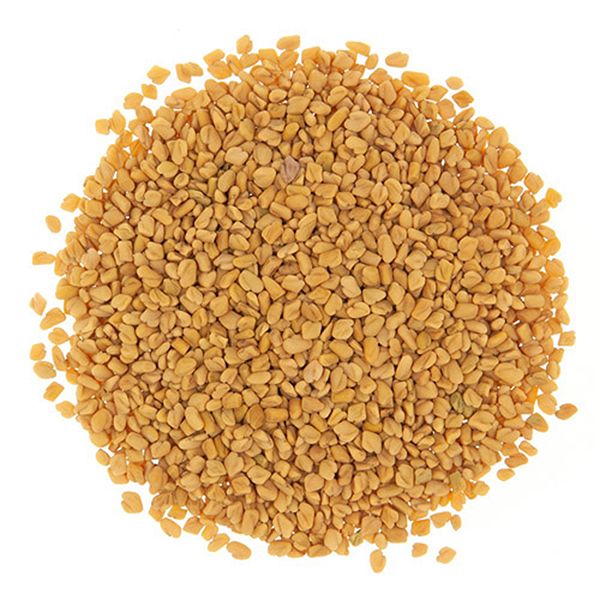
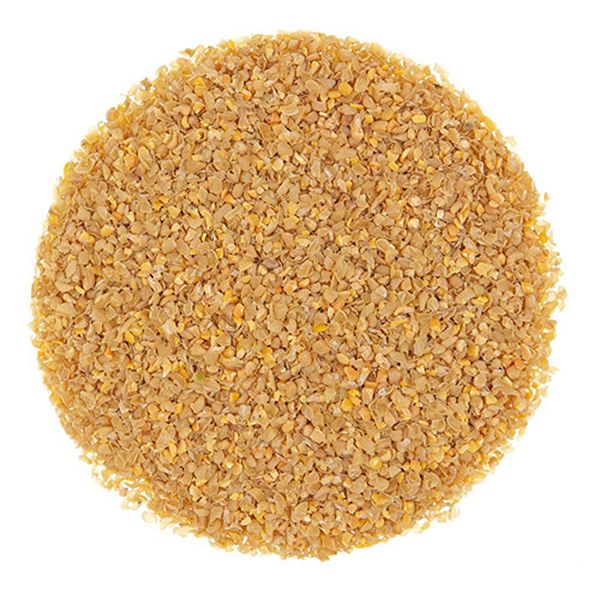
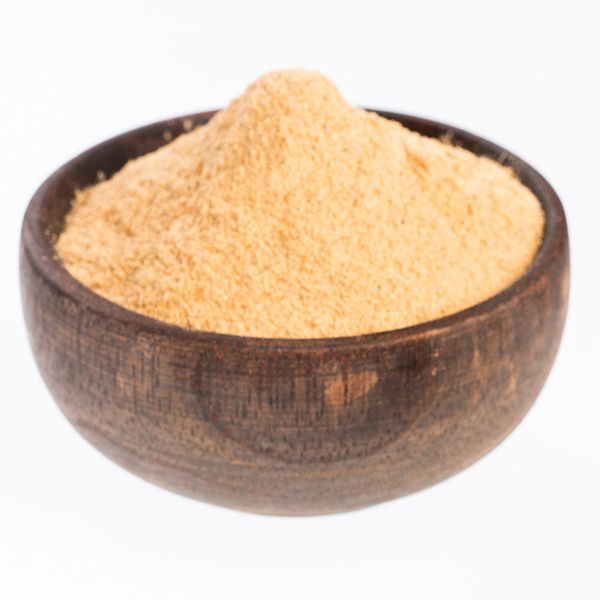
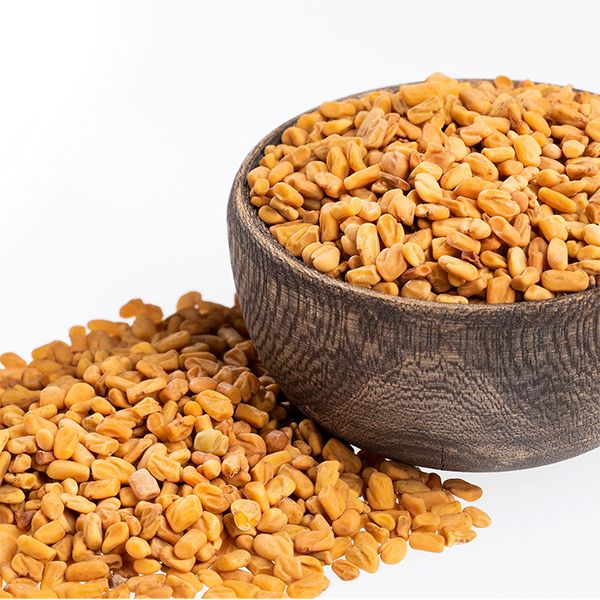
Appearance, aroma and taste profile: Yellow-brown kernels, with slightly puckered surface. Bitter-wweet and maple-like. Use sparingly because the flavor is strong.
Botanical Name: Trigonella foenum graecum
Common Names: Greek hay, foenugreek, fenigreek
| Form Factor | Powder, Whole |
|---|---|
| Botanical Name | Trigonella foenum graecum |
| Common Names | Greek hay, foenugreek, fenigreek |
| Appearance, Aroma and Taste Profile | Yellow-brown kernels, with slightly puckered surface. Bitter-wweet and maple-like. Use sparingly because the flavor is strong. |


Log In
Create New Account