

Eleuthero Root

*For retail orders only. See our return policy for more details.
This herb was commonly known as Siberian Ginseng because of its adaptogenic properties. Beginning in 1947, Soviet researchers searched for herbal tonic medicines comparable to Chinese Ginseng in order to augment the performance and well-being of soldiers, athletes, workers, and later, cosmonauts. They found Eleutherococcus, a plant long valued in traditional Chinese herbal practice as Ciwujia (Ci Wu Jia), growing in mountain forests of Russia, China, and Japan. The herb was renamed Eleuthero a few years ago to reflect its scientific name and to avoid confusion, as it is not a true Ginseng. This is an easy root to work with, without a particularly strong taste or odor.
Herbalists and other natural practitioners call eleuthero an “adaptogen.” Adaptogens are botanicals thought to protect the body from the effects of stress. Other uses of eleuthero include: heart disease prevention, anxiety relief, depression relief, recovery from stress burnout, Improve cognitive function, improves memory and helps in managing menopause.
The herb does contain several active compounds, however, including a number of antioxidant polyphenols. The root also contains a compound called syringin that stimulates the production of acetylcholine, which triggers increased insulin release from the pancreas. For this reason, use this herb with caution if you take pharmaceutical medications to lower blood sugar.
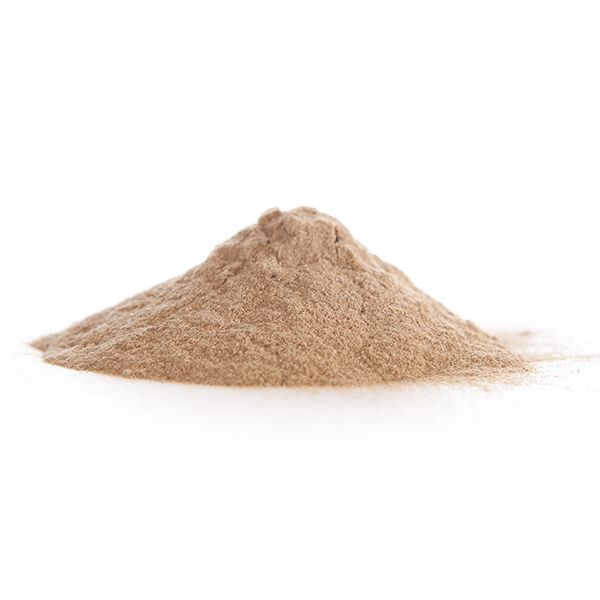
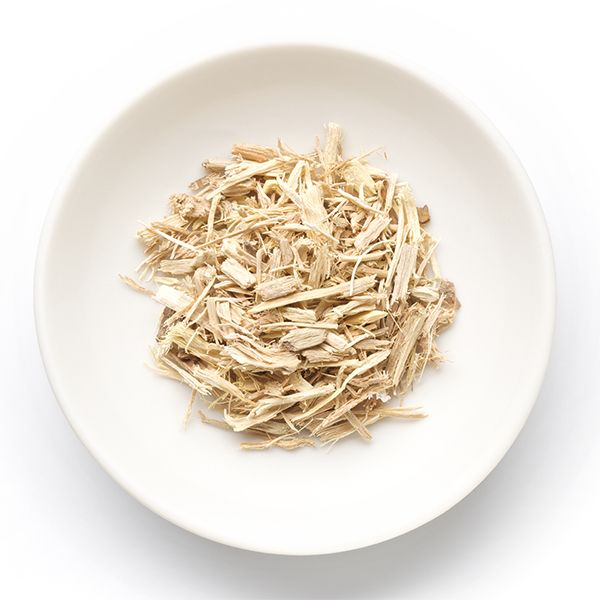
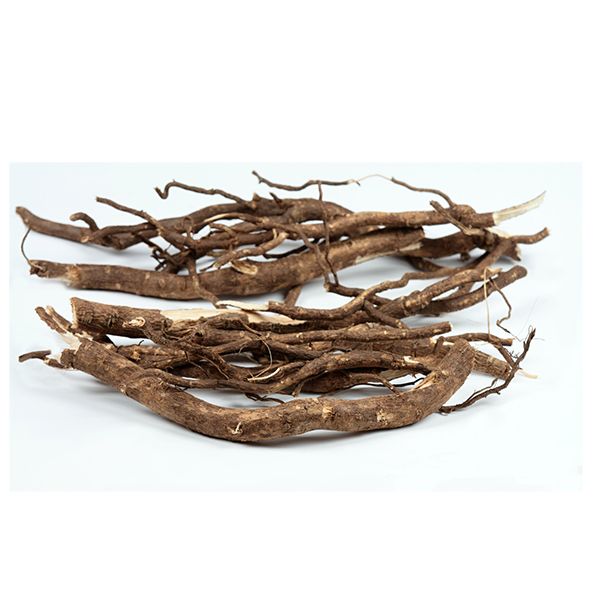
Appearance, aroma and taste profile: Woody and fibrous without remarkable aroma. Bitter in taste. Has a mild but slightly earthy flavor. Combine with other pleasant-tasting root slices, such as licorice and ginger.
Botanical Name: Eleutherococcus senticosus
Common Names: Devil's shrub, Siberian Ginseng, Devil's Bush, Prickly Eleutherococcus, Russian Root, Shigoka, Siberian Eleuthero
| Form Factor | Cut Sifted, Powder |
|---|---|
| Botanical Name | Eleutherococcus senticosus |
| Common Names | Devil's shrub, Siberian Ginseng, Devil's Bush, Prickly Eleutherococcus, Russian Root, Shigoka, Siberian Eleuthero |
| Appearance, Aroma and Taste Profile | Woody and fibrous without remarkable aroma. Bitter in taste. Has a mild but slightly earthy flavor. Combine with other pleasant-tasting root slices, such as licorice and ginger. |


Log In
Create New Account