

Echinacea Purpurea Herb

*For retail orders only. See our return policy for more details.
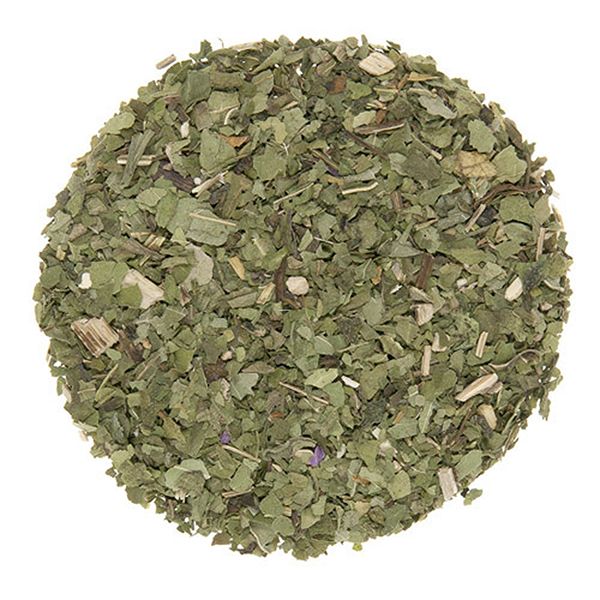
Also known as coneflower and snakeroot, Echinacea is a North American perennial herb that is valued as a colorful and stately garden ornamental as well as for its antioxidant compounds in the leaf and root. While the root is most often tinctured, the aerial parts of the plant are typically taken as tea.
Europeans were introduced to the plant in the mid-19th century by various Native American peoples, who used the herb for centuries for various ailments. Although the American Medical Association declared the medicinal use of Echinacea as quackery in 1910, it became one of the most popular herbals in Europe and North American in the 1920s and remains one of the most popular today.
Echinacea has been well documented in its immune supportive and stimulating properties. It is a great go-to for first line defense in fighting off colds and the flu. Echinacea is commonly believed to reduce or shorten cold symptoms and duration.
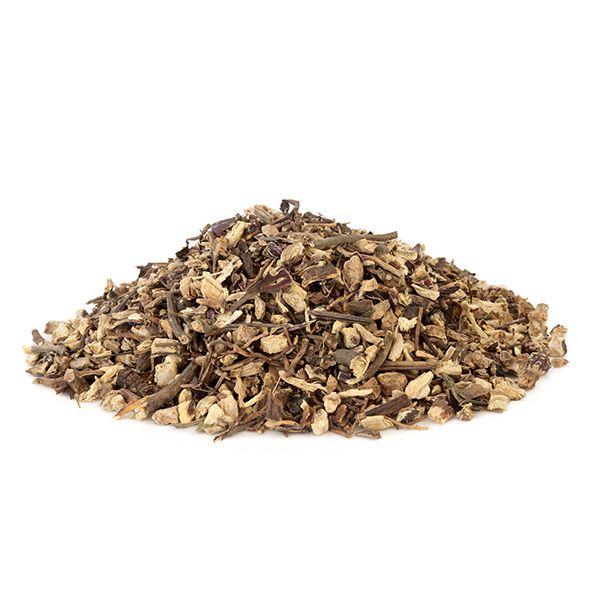
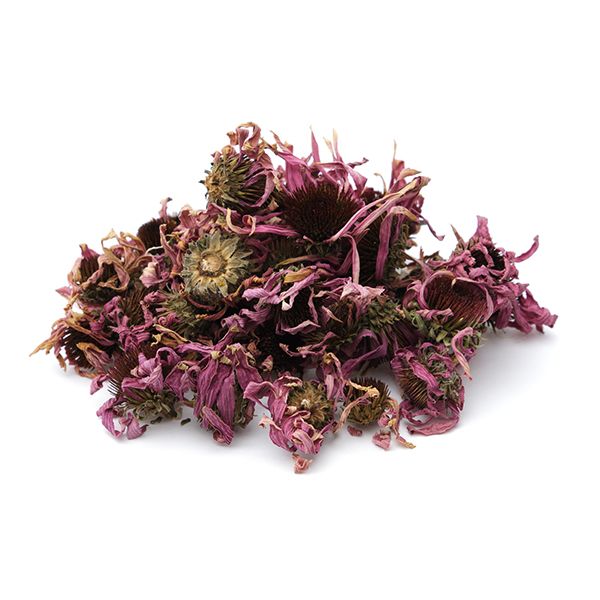
The whole plant can be used including the seeds, flowers, dry cut aerial parts, and root. It makes a great tea in combination with other herbs, and is a popular tincture for higher dosing recommendations.
Appearance, aroma and taste profile: Fibrous and grass-like, with a fresh scent. Fresh, grassy flavor that pairs well with mints, chamomile and other mild herbs.
Botanical Name: Echinacea Purpurea
Common Names: Echinacea, Snake Root, Purple Coneflower, Eastern Purple Coneflower, Hedgehog Coneflower
| Form Factor | Cut Sifted, Powder |
|---|---|
| Botanical Name | Echinacea Purpurea |
| Common Names | Echinacea, Snake Root, Purple Coneflower, Eastern Purple Coneflower, Hedgehog Coneflower |
| Appearance, Aroma and Taste Profile | Fibrous and grass-like, with a fresh scent. Fresh, grassy flavor that pairs well with mints, chamomile and other mild herbs. |


Log In
Create New Account