

Dandelion (Leaf / Root)

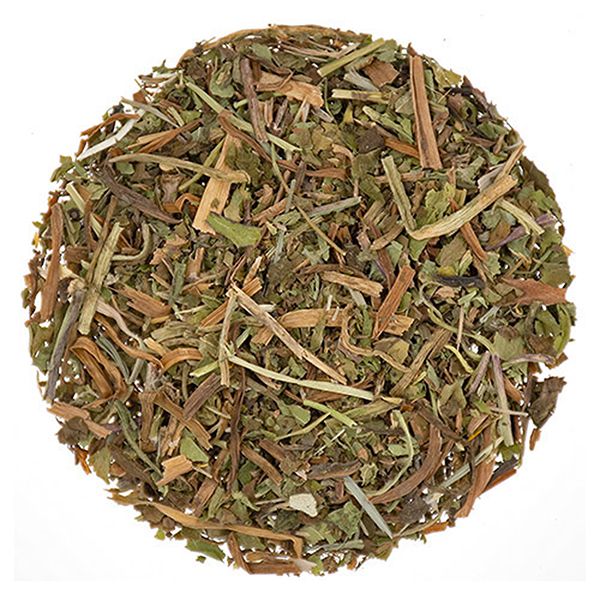
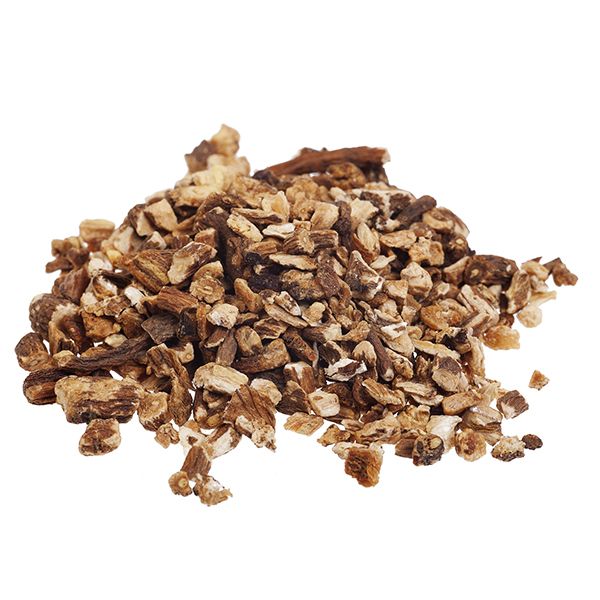


*For retail orders only. See our return policy for more details.
Dandelion is a perennial member of the sunflower family with a global distribution. Although many westerners regard the plant as a nuisance weed in the garden and lawn, dandelion has been valued as a food source and remedial botanical in the Middle East and Europe since the 10th century. People use the leaves, stem, flower, and root of the dandelion for medicinal purposes.
Aside from value as a salad green and vegetable, fresh or dried dandelion leaf is traditionally prepared as a tea, either hot or iced. In addition to being a good source of calcium, potassium, iron and other minerals, dandelion leaf is abundant in vitamins A, B, C, D and K and the antioxidants luteolin, zeaxanth and cryptoxanth. Dandelion leaf is traditionally used for its diuretic properties and for liver detoxification.
The flowers, leaf, and root of dandelion can all be used to make dandelion tea. Potential health benefits to drinking dandelion tea - Anti inflammatory effects, Lower Blood Pressure, Improved Liver Health, and Boosts Immune System.
Appearance, aroma and taste profile: Leafy with a mild aroma. Sharp and bitter, but palatable. Goes well with nettle, peppermint, skullcap and chamomile flowers.
Botanical Name: Taraxacum officinale
Common Names: Blowball, cankerwort, dent de lion, lion's tooth, priest's crown, pu gong ying, puffball, swine snout, white endive, wild endive
| Form Factor | Cut Sifted, Powder |
|---|---|
| Botanical Name | Taraxacum officinale |
| Common Names | Blowball, cankerwort, dent de lion, lion's tooth, priest's crown, pu gong ying, puffball, swine snout, white endive, wild endive |
| Appearance, Aroma and Taste Profile | Leafy with a mild aroma. Sharp and bitter, but palatable. Goes well with nettle, peppermint, skullcap and chamomile flowers. |


Log In
Create New Account