

Cinnamon

*For retail orders only. See our return policy for more details.
This fragrant bark of the cinnamon tree was once a precious spice fit for gifts for kings. It is now used in cuisines all over the world, in both sweet and savory dishes.
Broadly, there are two types of cinnamon: Ceylon (Cinnamomum zeylanicum/verum) and Cassia (Cinnamomum armoaticum). Ceylon cinnamon, also called true cinnamon, is soft, brittle, and lighter in color. It is also low in coumarin, a potentially liver-damaging chemical. Cassia cinnamon is darker, sturdier, and richer in coumarin. The cinnamon you find in your supermarket is usually Cassia.
The warm, rich, flavorful sticks of cinnamon (Cinnamonum verum) offer versatile health benefits. They check inflammation in the body before it escalates into a health threat. They also balance other parameters like blood pressure and blood glucose levels, the latter by slowing down glucose digestion and increasing glucose uptake in the cells. Cinnamon could also reduce fat gain by dampening the activity of enzymes that convert glucose into fat and increasing fat breakdown by activating proteins called PPARs.
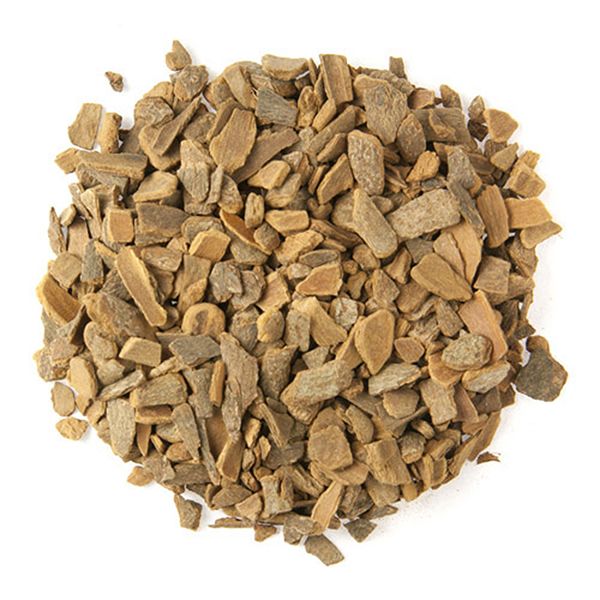
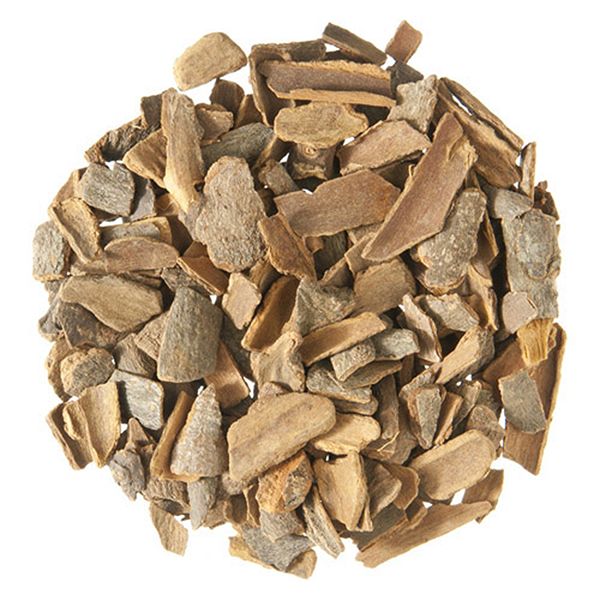
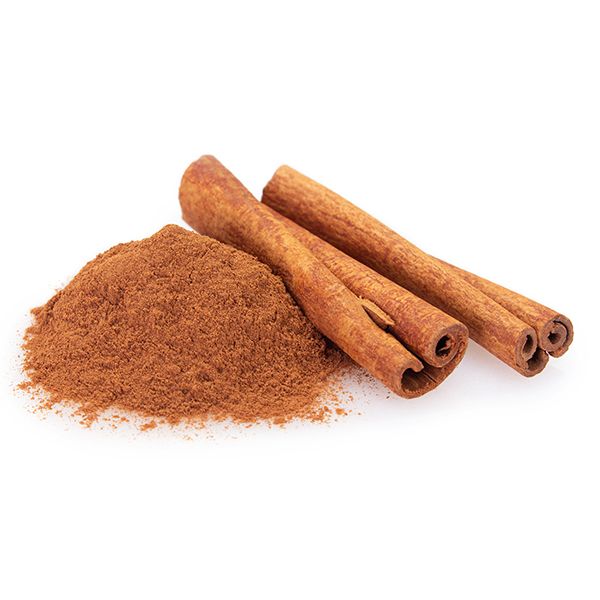
Appearance, aroma and taste profile: Woody and fragrant. Warm and spicy with sweetness. Blends well with vanilla, nutmeg, cloves and other warm spices.
Botanical Name: Cinnamomum verum, Cinnamomum burmanii, Cinnamomum cassia
Common Names: Cassia, korintje
| Form Factor | Cut Sifted (Granules), Powder |
|---|---|
| Botanical Name | Cinnamomum verum, Cinnamomum burmanii, Cinnamomum cassia |
| Common Names | Cassia, Korintje |
| Appearance, Aroma and Taste Profile | Woody and fragrant. Warm and spicy with sweetness. Blends well with vanilla, nutmeg, cloves and other warm spices. |


Log In
Create New Account