

Chickweed Herb


*For retail orders only. See our return policy for more details.
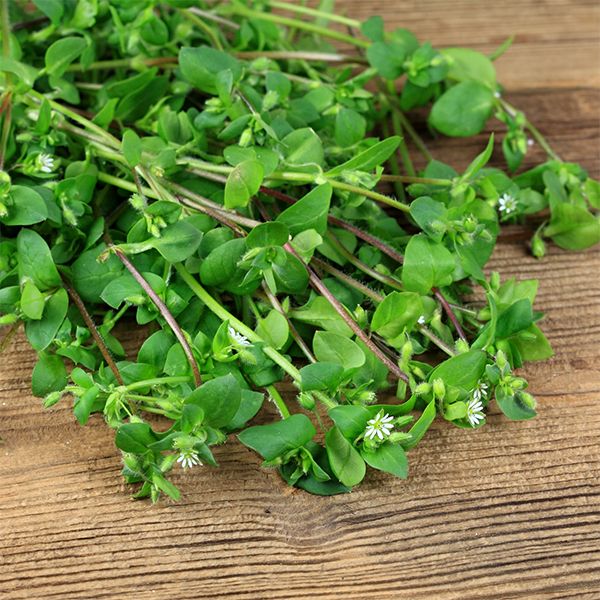
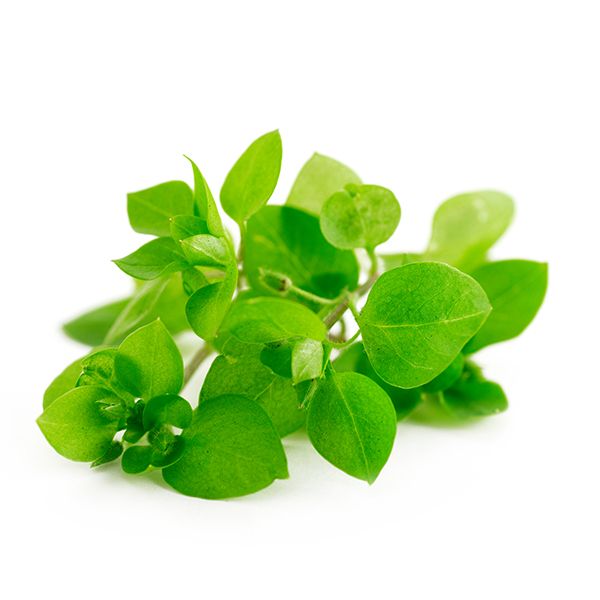
Chickweed, so-named because chickens forage on it, is an annual ground cover found in abundance throughout Europe and North America. Often considered a nuisance weed, this lawn invader is high in several nutrients, including iron, vitamin C and B vitamins. Known active components include anthroquinones including emodin, saponins, coumarins, phytosterols, and flavonoids.
It is used for both internal and external inflammation. Chickweed, applied as a poultice or added to a bath, can relieve severe itchiness accompanying eczema, nettle rash, varicose veins; aid in healing boils and accesses; or soothe inflamed joints. The tea is said to be helpful for urinary tract inflammation, and as a tonic for fatigue.
Powdered chickweed herb is encapsulated or sprinkled into smoothies and cooked foods.
Appearance, aroma and taste profile: Fresh and “green” tasting. Blends with most other herbs. Has a fresh taste similar to alfalfa sprouts.
Botanical Name: Stellaria media
Common Names: Addre's mouth, Indian chickweed, satin flower, starwort, stitchwort, Chickenwort, Craches, Maruns, Starweed, Tongue Grass, Winterweed
| Form Factor | Cut Sifted, Powder |
|---|---|
| Botanical Name | Stellaria media |
| Common Names | Addre's mouth, Indian chickweed, satin flower, starwort, stitchwort, Chickenwort, Craches, Maruns, Starweed, Tongue Grass, Winterweed |
| Appearance, Aroma and Taste Profile | Fresh and “green” tasting. Blends with most other herbs. Has a fresh taste similar to alfalfa sprouts. |


Log In
Create New Account