

Cardamom Seeds


*For retail orders only. See our return policy for more details.
Called the “Queen of Spices” (Black Pepper is the “King”), the dried ripe fruits have been used as spice and medicine since at the the fourth century BC. Cardamom owes its healthfulness to the antioxidants in the volatile oils in its seeds, which boost immunity by fighting against reactive molecules called free radicals. An antispasmodic, cardamom can improve both digestion and respiration by controlling abnormal muscle contractions (which could cause cramps and wheezing, for instance). It also keeps inflammation in check by reducing the production and activity of molecules transmitting signals for inflammation.
In Ayurvedic medicine it is prescribed for anorexia, asthma, bronchitis, kidney stones, general weakness, and as an aphrodisiac. Traditional Chinese medicine employs it for increasing the Qi, restoring the lungs, spleen, and nervous system, lifting the spirits and allaying depression, warming the stomach and intestines, clearing phlegm, antidoting poisons, resolving contusions, and more.
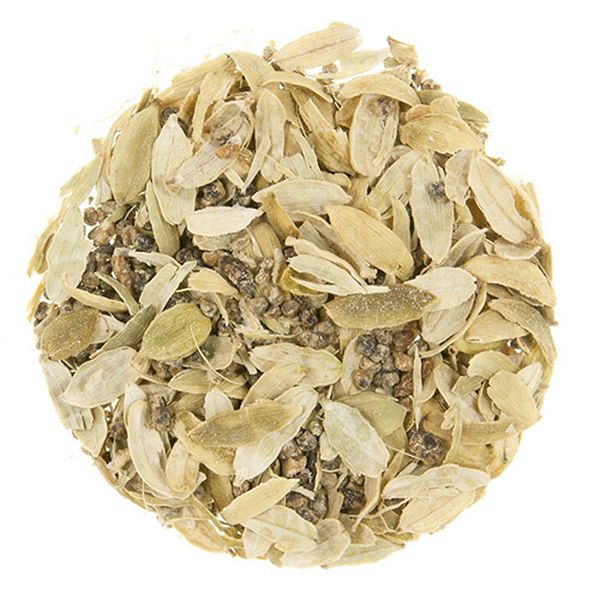
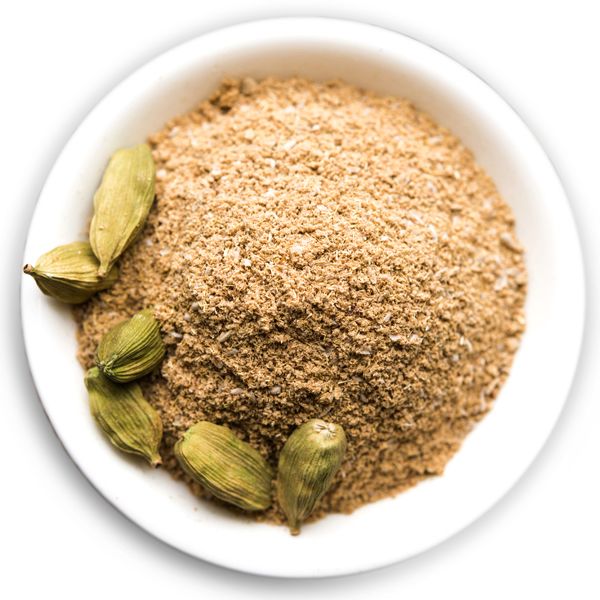
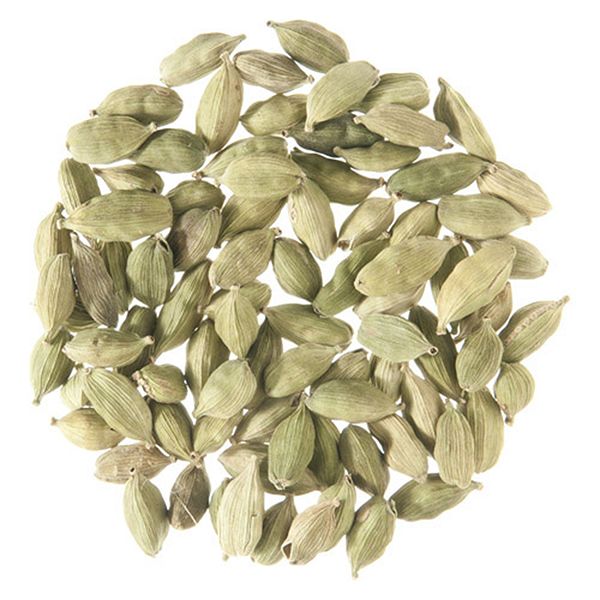
Appearance, aroma and taste profile: Various shades of brown with ridges and a pungent aroma. Warm and spicy with a faint lemony undertone. Combines well with other warm spices.
Botanical Name: Elettaria cardamomum
Common Names: Green Cardamom, bastard cardamom, Malabar cardamom
| Form Factor | Pods (Whole), Powder, Seeds |
|---|---|
| Botanical Name | Elettaria cardamomum |
| Common Names | Green Cardamom, bastard cardamom, Malabar cardamom |
| Appearance, Aroma and Taste Profile | Various shades of brown with ridges and a pungent aroma. Warm and spicy with a faint lemony undertone. Combines well with other warm spices. |


Log In
Create New Account