

Burdock Root

*For retail orders only. See our return policy for more details.
Burdock originated in temperate areas of Eurasia, from Britain and Scandinavia to the Mediterranean and east to India, China, and Japan. It has become naturalized nearly everywhere, growing in disturbed areas, especially where the soil is rich in nitrogen.
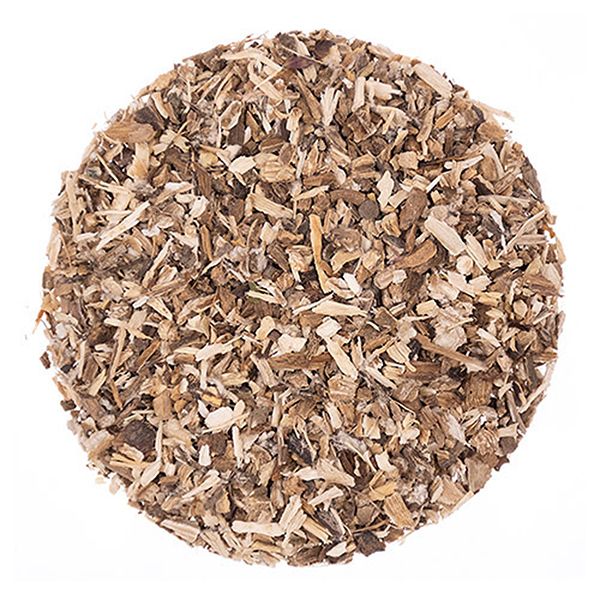
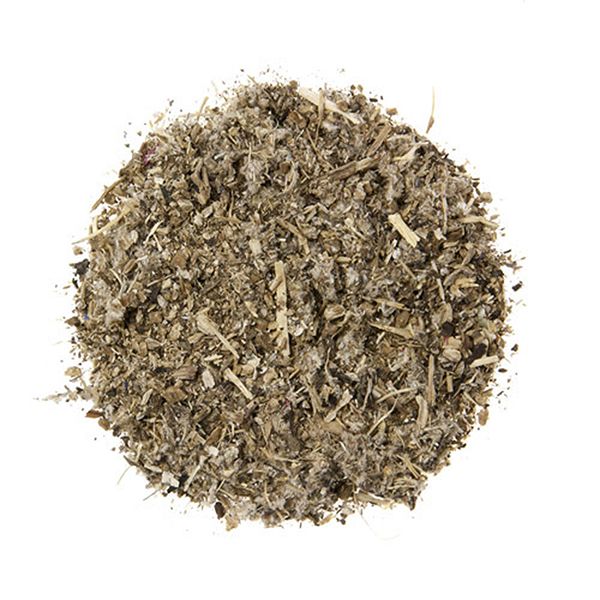
Burdock's starchy root has a naturally fibrous cortex, so any accompanying fluffy or web-like material occurs normally. Burdock root has a reputation for being a good liver supporting herb and a blood purifier. Burdock also contains inulin, a saccharide that may contribute to its value for nourishing the digestive system.
Active ingredients in the root have been found to 'detoxify' blood in terms of TCM and promote blood circulation to the skin surface, improving the skin quality/texture and curing skin diseases like eczema. Antioxidants and anti-diabetic compounds have also been found in the root.
It is an edible taproot, and can be used fresh in vegetable dishes such as stir fry, or added to your favorite smoothie.
Appearance, aroma and taste profile: The root is a little sweet but mildly pungent.
Botanical Name: Arctium lappa
Common Names: Lappa, edible burdock, Bardana, Beggar's Buttons, Burrs, Cockle Buttons, Grass Burdock, Great Burdock, Hardock, Hareburr, Niu Bang, Personata, Thorny Burr, Turkey Burrseed
| Form Factor | Cut Sifted, Powder |
|---|---|
| Botanical Name | Arctium lappa |
| Common Names | Lappa, edible burdock, Bardana, Beggar's Buttons, Burrs, Cockle Buttons, Grass Burdock, Great Burdock, Hardock, Hareburr, Niu Bang, Personata, Thorny Burr, Turkey Burrseed |
| Appearance, Aroma and Taste Profile | The root is a little sweet but mildly pungent. |


Log In
Create New Account